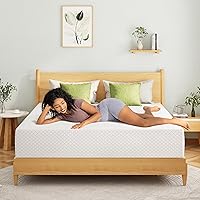
How to Choose a Memory Foam Mattress Size
Choose a memory foam mattress size by measuring the room and bed frame first, then matching length and width to the tallest sleeper and the number of people. Memory foam needs a solid, matching base, so confirm the deck and the usable height before you pick between twin, full, queen and king.
On this page (10 sections)
- What are the standard memory foam mattress sizes?
- How do you match the mattress to your bed frame?
- How much room does each size need in the bedroom?
- Which size suits one sleeper, a couple or a family bed?
- Does memory foam thickness change the size you need?
- How do you check the delivery route and setup space?
- How do you confirm the size before you order?
- Which memory foam mattress size works for a guest room?
- How do memory foam sizes compare with other mattress types?
- The final rule for choosing a memory foam mattress size
How to choose a memory foam mattress size: start with the bed frame and the room, then match the length and width to the people who sleep on it. Memory foam also needs a firm base and the right height, so size is more than a label.
The frame you already own or plan to buy sets the size, and the sleepers decide whether that size is big enough. This guide walks through that order, from dimensions to height and delivery.
If you want help with foam types, firmness or layers too, our how to choose a mattress guide covers those in one place.
What are the standard memory foam mattress sizes?
Every standard memory foam size uses the same length and width as innerspring and hybrid mattresses, so the label matches the frame. Here are the common US sizes and what each one is typically for.
| Size | Width x length | Sleepers it suits |
|---|---|---|
| Twin | 38 x 75 in | One child, a bunk or a tight guest room |
| Twin XL | 38 x 80 in | One adult or a teen, and college dorms |
| Full | 54 x 75 in | One adult, or two small adults for a short stay |
| Queen | 60 x 80 in | Most couples and single adults who want room |
| King | 76 x 80 in | Couples who want separate space |
| California king | 72 x 84 in | Tall couples in a long room |
The width matters most for two sleepers, because each person gets half. A full gives two adults 27 inches each, a queen gives 30 and a king gives 38.
The length matters for taller sleepers, since 75 inches is tight for anyone much over 6 ft. A California king's 84 inches gives tall couples the most length.
Treat the size label as a promise of length and width only. Height, foam layering and cover material vary from one model to the next, so check the listed inches rather than assuming.
How do you match the mattress to your bed frame?
Match the mattress to the frame's stated mattress size, not to its outside measurements. A queen frame holds a 60 x 80 in mattress, and the frame's own rails and headboard sit outside that rectangle.
Measure the frame's inner deck or rail spacing before you order. If you are buying a frame and mattress together, choose the mattress first and then the frame that lists the same size.
For a platform bed, check that the slats are close enough to support memory foam. Wide gaps let the foam dip between them, which feels soft in the wrong way and can shorten its life.
An adjustable base needs a flexible all-foam mattress rather than a rigid one, so confirm the brand allows adjustable use. The same size label on the base and the mattress is the safest match.
Weight belongs in this step too. A compressed foam mattress still has to be carried and lifted onto the deck, and the weight changes with the size.
The Zinus 12 Inch Cooling Gel Full lists 52.1 pounds for a 75 x 54 in full, while the same model in queen lists 61.4 pounds for 80 x 60 in. That 9-pound gap is the size difference showing up on moving day, so plan who lifts it before you choose between the two.
Match the frame label to the mattress label, then measure the deck. A frame built for a full will not hold a queen, no matter how the room looks.
How much room does each size need in the bedroom?
Leave about 24 inches of walking space on the sides you use and at the foot of the bed where you can. That gap lets you make the bed, open drawers and get in and out without squeezing.
Tape the mattress outline on the floor before you buy. Add the headboard depth and any nightstands, then check the remaining path to the door and closet.
A queen is 80 inches long and 60 inches wide, so it needs a wall at least 60 inches wide plus side clearance. A king asks for 76 inches of width and usually a larger room.
Small rooms often fit a full better than a queen, because the 6-inch width difference and 5-inch length difference add up against a closet or door swing. A full also leaves more floor for a desk or dresser in a spare room that doubles as an office.
Sketch the room on paper at a simple scale before you order. Draw the door swing and the closet door as arcs, not straight lines, because those arcs are what a wide bed usually blocks.
Measure the room, not just the wall. A bed that blocks a door or leaves no space for a dresser is the wrong size even when it fits the frame.
Which size suits one sleeper, a couple or a family bed?
Let the number of regular sleepers drive the width. One adult should start at a full, a couple at a queen, and anyone who wants personal space should look at a king.
Think about how you sleep, too. A restless sleeper who rolls around benefits from more width, while a still sleeper can stay comfortable in less.
Couples who share the bed with a child or a pet need more room than the sleeper count suggests. A king gives 76 inches of width, which is a full 16 inches more than a queen.
A guest room can use a full or a queen, depending on how often couples stay. A twin works for a single guest or a child's room and leaves more floor space free.
Body size matters as much as the count. A queen's 30 inches per person suits average-sized adults, but two larger adults will feel the middle dip sooner on foam than on a spring bed, because foam compresses where weight lands.
If either sleeper is broad-shouldered or moves a lot, size up one step from the count rule.
Size for the most common night, not the rarest one. If two adults share the bed most nights, a queen is the starting point and a king is the upgrade.
Does memory foam thickness change the size you need?
Thickness does not change the length or width, but it changes the height of the sleeping surface and how the mattress feels. A 10-inch foam bed and a 12-inch foam bed can both be 60 x 80 in.
Check the mattress height against your headboard, footboard and sheets. A very tall mattress can hide a low headboard, and a very thin one can leave a gap above the frame.
The Zinus 12 Inch Cooling Gel Queen is a 12-inch all-foam mattress in a standard 60 x 80 in queen size. Zinus builds it from 2 inches of cooling gel and green tea memory foam, 3 inches of soft comfort foam and a high-density base.
If you want a thinner profile for a low frame or a lighter mattress to move, the EGOHOME 10 Inch Green Tea Queen is a 10-inch queen with a medium firm feel. Its cover is polyester and its comfort layer is gel memory foam, so the thinner build sits closer to the frame rails.
Match the height to the frame, then the firmness to your sleep position. Thickness is a comfort choice, while width and length are the fit choice.
Choosing between 10 and 12 inches
A 10-inch foam mattress sits lower and weighs less, which helps on a low platform or in a room you rearrange often. A 12-inch model adds comfort foam depth and a taller profile.
The difference shows up in the layer count. The Zinus 12-inch queen stacks 2 inches of gel and green tea memory foam, 3 inches of soft comfort foam and a high-density base under a breathable knitted cover.
The EGOHOME 10-inch queen keeps a gel memory foam comfort layer and a medium firm feel in a shorter build. Both come in the same standard sizes, so the decision comes down to feel and the frame.
Thickness also changes what your fitted sheets do. A 12-inch bed needs deep-pocket sheets to stay tucked, while a 10-inch bed fits standard sheets more easily.
Measure the height before you buy new bedding along with the mattress.
Pick 10 inches for a low bed or a firm feel, and 12 inches for a plusher top layer and a taller bed.
How do you check the delivery route and setup space?
Measure the doorways, stairs and turns on the path to the bedroom before you order. A boxed memory foam mattress is heavy, and a king box is long and awkward even before it expands.
Bed-in-a-box foam arrives compressed, which makes it easier to carry than a finished mattress. It still needs a clear route and a place to unroll, and it takes up to 72 hours to reach full shape.
Leave the mattress on the frame to expand, and give it a warm room for the fastest result. Cold rooms slow the process, so plan around the season.
Check the weight of the box against who will carry it. The Zinus queen lists 61.4 pounds and its full lists 52.1 pounds, so the two sizes already differ by more than a bag of groceries before you look at a king.
A boxed foam bed also needs a flat spot to rest while it expands. A hallway floor works, but it blocks the path for a day or more.
Unroll it on the frame if the room is warm and the base is ready.
Walk the route with a tape measure before you buy. A mattress that cannot reach the bedroom is the wrong size, whatever the label says.
How do you confirm the size before you order?
Confirm the size by checking three numbers: the frame's stated mattress size, the mattress dimensions in the product name and the room's clear space. When all three agree, the order is safe.
Read the size in the product title and confirm the listed length and width, since a familiar name like queen still depends on the actual inches. A queen is 60 x 80 in, and a full is 54 x 75 in.
Check the height as well, because a 12-inch and a 10-inch model both fit the same frame but sit differently in the room.
The support limit belongs on this list too. Zinus states that a twin supports up to 250 lbs while all other sizes support up to 500 lbs, so a couple near the top of that range should think about the frame as well as the mattress.
A solid platform rated for the weight is part of getting the size right.
If you are choosing between two close sizes, such as a full and a queen, tape both outlines on the floor. The bigger one often wins once you see the walkway.
For couples weighing a wide bed, read our king vs California king mattress comparison before you commit to a room layout. The two sizes need different wall space and frames.
Order only after the frame, the mattress inches and the room all match. That is how you choose a memory foam mattress size with no return.
Which memory foam mattress size works for a guest room?
Use a full for a guest room that hosts one person or a couple now and then, and a queen if couples stay often. Both give a better guest night than a twin, and a full leaves more floor space.
A twin suits a child's room or a very small spare room. A full is the sweet spot for a spare bedroom, because it sleeps one adult well and two for a short stay.
A queen is worth the extra 6 inches of width and 5 inches of length if the room can spare it. Guests who share the bed will notice the difference.
The Zinus 12 Inch Cooling Gel Full is a 12-inch full-size all-foam mattress at 54 x 75 in. It uses the same cooling gel and green tea foam layering as the queen, sized for a smaller room.
If the spare room doubles as an office, keep the walkway clear and choose the size that leaves a usable path. Zinus backs this model with a 10-year limited warranty.
Pick a full for a compact guest room and a queen for a room that hosts couples often.
How do memory foam sizes compare with other mattress types?
Memory foam uses the same standard sizes as other mattresses, so a queen foam bed and a queen hybrid fit the same frame. The difference is in the base and the edge, not the label.
Foam needs a firm, solid or closely slatted platform, while a hybrid or innerspring may work on a box spring. That base requirement can narrow your frame choice even when the size is right.
All-foam mattresses also tend to be easier to bend on an adjustable base than models with coils. That matters if you plan to raise the head of the bed.
Weight is another difference. A foam mattress is often lighter than a hybrid of the same size, which helps when you move it or make the bed.
Choose the size first, then pick foam, hybrid or innerspring to match your base. Our roundup of the best memory foam mattresses shows the options by size and feel.
If you decide a wide bed is the right call for your room, the best king size mattress picks show what a king offers in value and construction.
The final rule for choosing a memory foam mattress size
Choose the frame's size first, then the mattress inches that fit it, then the width and length that suit your sleepers. A queen is the right starting point for most couples, a full suits one adult or a guest room, and a king is for couples who want space.
Tape the size on the floor, walk the delivery route and check the height against your headboard before you order. That order of steps answers how to choose memory foam mattress size without a costly return.
Pick a queen if two adults share the bed most nights. Pick a full if you sleep alone or mostly host one guest.
Pick a king if the room allows it and you want separate space, and pick a twin or twin XL only for one person in a small room.
Frequently asked questions
What size memory foam mattress is best for one adult?
A full is the smallest size most single adults should consider. A twin works in a guest room or a narrow bedroom, but the 75-inch length is short for tall sleepers, so measure yourself against it first.
Is a queen memory foam mattress big enough for two people?
A queen gives two average-sized adults 30 inches of width each. It suits couples who do not need extra room, while a king adds a full 16 inches of width for couples who want personal space.
Does a thick memory foam mattress need a special base?
Yes. Memory foam needs firm support, so use a slatted frame with slats close together or a solid platform.
A box spring or an old sagging base lets the foam press through and shortens the life of the mattress.
Can a memory foam mattress fit an adjustable bed?
Most all-foam mattresses bend well on an adjustable base because they have no springs or rigid edge wire. Check with the brand before you buy, and choose the size that matches the adjustable base deck.
What happens if I order the wrong size?
Bed-in-a-box memory foam is heavy, so a return means repacking a large mattress. Measure the bed, the room and the delivery path before ordering so you get the size right the first time.