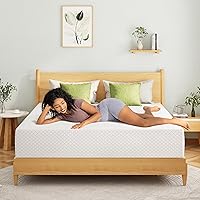
Foam Mattress Buying Guide: What to Look For
Start with the foam type and layer thickness, then match the feel to how you sleep. A memory foam top layer plus a dense support base covers most people, and cooling gel or green tea helps if you sleep warm.
On this page (11 sections)
- What foam type should you look for first?
- How thick should a foam mattress be?
- What firmness and feel should you pick?
- Which foam mattress picks fit each buyer?
- Do gel and green tea foams really keep you cooler?
- How should you set up and care for a foam mattress?
- What certifications and warranty terms should you check?
- How does foam compare with hybrid and spring beds?
- What should you check before you order a foam mattress?
- How we chose these foam mattress picks
- Which foam mattress should you pick?
The key to a foam mattress buying guide is knowing what sits under the cover. Start with the foam type and layer thickness, then match the feel to how you sleep.
A memory foam comfort layer over a dense support base suits most people, and gel or green tea foams help warm sleepers.
An all-foam bed gives you deep contouring and quiet motion isolation, but it trades away some bounce and edge support. A hybrid does the opposite.
This guide walks through each decision so you can pick the right foam bed without guessing.
What foam type should you look for first?
The comfort layer matters more than the brand name. Memory foam gives the strongest contouring and pressure relief, while polyurethane foam feels springier and cheaper.
Gel and green tea infusions sit inside the memory foam layer rather than replacing it. Gel draws heat away, and green tea extract, often with charcoal, gives a fresher feel.
Most foam mattresses stack several layers. Memory foam recovers slowly and molds to your shape, while polyurethane comfort foam is lighter and bouncier.
High-density base foam is the firm foundation that keeps the comfort layers from bottoming out. You can't see it, but you will feel it after a year, and Zinus describes 7 inches of it under its comfort layers.
EGOHOME says its stable memory foam holds a moderate feel across 4°C to 30°C room temperatures.
Memory foam vs gel foam vs green tea foam
Zinus packs 2 inches of cooling gel and green tea infused memory foam into its 12 inch model. EGOHOME infuses natural green tea gel and adds a bubble-hole structure it says improves airflow.
Modway uses 2 inches of gel-infused memory foam over 6 inches of dense foam.
Gel helps, but it is not air conditioning. If you sleep hot and want real airflow, a hybrid puts coils under the foam and moves more air.
Our roundup of the best hybrid mattresses covers that route.
How thick should a foam mattress be?
Aim for 10 to 12 inches for a main-bed foam mattress, and 8 inches for a guest room or a lighter sleeper. Thickness is really about how much comfort foam sits over the base.
A 12 inch bed with 7 inches of base leaves 5 inches of comfort foam. An 8 inch bed with 2 inches of memory foam leaves far less.
Modway's Aveline pairs 2 inches of gel memory foam with 6 inches of dense polyurethane foam, a firm, simple bed for a guest room. EGOHOME's 10 inch model is medium firm at a moderate height.
Zinus puts cooling gel and green tea foam over a 7 inch base for more cushion.
Taller beds suit heavier and side sleepers, and shorter beds suit lighter sleepers. Measure your frame height too, since a tall box spring adds more than you expect.
What firmness and feel should you pick?
Medium suits most sleepers, medium-firm suits back and stomach sleepers, and firm suits heavier sleepers who want less sink. The firmness description on a foam mattress tells you how much the comfort layer gives.
Feel is more than firmness. Memory foam has a slow, sinking recovery, while polyurethane foam and hybrid beds push back faster.
The cover fabric also changes how cool or soft the surface feels.
| Feel | Best for | Trade-off |
|---|---|---|
| Medium | Side, back and combination sleepers | Can feel too soft for heavy back sleepers |
| Medium-firm | Back and stomach sleepers, average weight | Less contouring at the shoulders for side sleepers |
| Firm | Heavier sleepers and stomach sleepers | Can feel hard at the hips and shoulders |
Zinus describes its 12 inch model as medium and says the feel is ideal for side sleepers and average-weight sleepers. EGOHOME calls its 10 inch mattress medium firm.
Modway labels the Aveline firm and describes it as a pressure relief memory foam bed. Our firm mattress buying guide goes deeper on firmness if you know you want a harder bed.
For most people, medium is the safer start.
How side, back and stomach sleepers should choose
Side sleepers need the comfort layer to give at the shoulder and hip so the spine stays level. Medium memory foam does that best, and a 12 inch bed gives more room to sink before you reach the base.
Back sleepers want support under the lower back without a deep sink, so medium-firm is the usual pick. Stomach sleepers need the firmest feel of the three so the hips don't drop and arch the lower back.
Combination sleepers move between positions and need a middle feel that works in all of them. Zinus describes its medium model as ideal for side sleepers and average-weight sleepers.
If you switch a lot, a hybrid's faster response can help too.
Which foam mattress picks fit each buyer?
These three foam beds cover the main buying patterns: cooling comfort, a medium-firm main bed and a firm budget option. Each one has a clear job, so match the pick to your sleep position and room.
Zinus 12 Inch Cooling Gel Queen: best for warm side sleepers
The Zinus 12 inch model puts 2 inches of cooling gel and green tea memory foam over 3 inches of soft comfort foam and 7 inches of dense base foam. Zinus says the medium feel suits side sleepers and average-weight sleepers.
Its cooling gel draws heat away from the body, and the green tea extract and purified charcoal are there to keep the foam fresher over time. A breathable knitted cover sits on top.
Pick this if you sleep warm and want a taller, contouring all-foam bed. The medium feel works for most positions.
Zinus backs it with a 10 year limited warranty and lists a 500 lb maximum for all sizes except twin.
The trade-off is that it's an all-foam bed. Hot sleepers who need airflow should weigh a hybrid instead.
If you want to compare this brand with a close rival, read our Zinus vs EGOHOME mattress breakdown.
EGOHOME 10 Inch Green Tea Queen: best for a medium-firm main bed
EGOHOME's 10 inch mattress is a medium-firm all-foam bed. The company says the memory foam deforms with your posture to fill the gap between body and mattress, and it uses a bubble-hole structure for airflow plus natural green tea gel for a cooler feel.
EGOHOME says the foam keeps a moderate softness across 4°C to 30°C room temperatures. That matters if your bedroom runs cold in winter or warm in summer and you don't want the feel to swing.
Pick this if you want a firmer-than-medium main bed for back or stomach sleeping. The 10 inch height keeps it lower than the Zinus, which suits a platform frame or a room where a tall bed feels crowded.
The medium-firm feel gives less shoulder sink for strict side sleepers.
If you want more contouring and a cooler surface, the Zinus is the better fit.
Modway Aveline 8 Inch Queen: best for a firm guest room or budget bed
The Modway Aveline is an 8 inch firm memory foam mattress. It has 2 inches of gel-infused memory foam over 6 inches of dense polyurethane foam, so the comfort layer is thin and the base does most of the work.
Modway says the gel foam helps keep your body climate steady and the open cell ventilation relieves pressure and reduces bounce between two sleepers. The stretch knit cover zips off for cleaning.
Pick this if you need a firm, simple foam bed for a guest room or a tight budget. The EGOHOME is the lightest of the three at 48.9 lb for a queen, while the Modway's lighter build still helps if you move it alone.
The 8 inch height and firm feel won't suit a heavier side sleeper who needs deep cushioning.
For a main bedroom with a side sleeper, the taller Zinus is the better match. See more options in our best memory foam mattresses roundup.
Do gel and green tea foams really keep you cooler?
Gel and green tea foams help compared with plain memory foam, but no all-foam mattress sleeps as cool as a bed with airflow. Treat cooling claims as an improvement, not a guarantee.
Gel particles in the memory foam conduct heat away from your body. Green tea extract and charcoal are added more for freshness and odor control than for temperature.
The bigger factor is airflow. An all-foam mattress traps heat in a solid block, while a hybrid sends air through the coil layer.
If you wake up hot every night, a hybrid is the stronger choice.
What to check in the cooling claims
Look at where the cooling sits in the layer stack. A thin gel layer under several inches of plain foam won't do much.
A 2 inch gel memory foam top layer, as on the Zinus and Modway, puts the cooling right where your body touches.
Check the cover too. A breathable knitted cover, like the one on the Zinus, moves air better than a tight woven fabric.
Modway uses a stretch knit cover with open cell ventilation in the foam. If you run hot and still want foam, keep the room cool and use a breathable mattress protector.
A waterproof protector with a breathable backing helps more than most cooling gimmicks.
How should you set up and care for a foam mattress?
Let a boxed foam mattress expand fully before you sleep on it, and give it a solid or closely slatted base. Setup decides how the foam performs and how long it lasts.
All three picks ship compressed and rolled in a box. Zinus says to allow 24 to 72 hours, and a warmer room speeds expansion.
Modway says most expansion takes 2 to 4 hours and finishes within a day. Carry the box to the bedroom before unboxing, since a compressed queen is heavy.
Unroll it on the frame, remove the wrapping and wait out the full expansion before judging the feel. Add a mattress protector before the first night.
Slats should be less than 3 inches apart, or the foam sags between the gaps. Modway says a box spring or foundation is optional.
Rotate the mattress head to foot every few months, and spot clean the cover rather than soaking it.
What certifications and warranty terms should you check?
Check for CertiPUR-US certification and read the warranty length before you buy. CertiPUR-US covers content, indoor emissions and durability testing for flexible polyurethane foam.
Zinus, EGOHOME and Modway all say their foam is CertiPUR-US certified and fiberglass free.
Zinus and EGOHOME offer a 10 year limited warranty, while Modway offers 1 year against manufacturer defects. A longer warranty is worth having on a main bed.
Most limited warranties cover defects such as sagging beyond a set depth, not normal softening or stains. Many require a proper foundation, so keep your receipt for the frame.
Check the weight limit too. Zinus lists 250 lb for a twin and 500 lb for all other sizes.
How does foam compare with hybrid and spring beds?
An all-foam mattress wins on motion isolation and contouring, while a hybrid wins on airflow and edge support. Your sleep temperature and how much you move decide which matters more.
Foam beds absorb motion well, so a partner's tossing won't travel across the mattress. They also contour closely, which helps side sleepers and people who want pressure relief.
The downside is heat and a softer edge. A hybrid puts coils or springs under a foam top.
The coils create airflow and give the edge more support. You get more bounce and a cooler sleep surface, but more motion transfer and a higher price tier.
| Feature | All-foam | Hybrid |
|---|---|---|
| Motion isolation | Strong | Weaker |
| Cooling | Gel helps, but foam traps heat | Better airflow |
| Edge support | Softer | Firmer |
| Contouring | Deep | Moderate |
Choose all-foam if you sleep cool or share the bed with a restless partner. Choose a hybrid if you sleep hot or sit on the edge of the bed often.
Our best hybrid mattresses roundup has picks if you want to go that route. If you're comparing a foam bed with a traditional spring mattress, the same split applies.
Springs sleep cooler and feel bouncier, but they isolate motion poorly.
What should you check before you order a foam mattress?
Confirm the layer list, the height, the feel and your frame before you order. These four details decide whether the mattress works in your room and for your body.
Find the memory foam layer in the layer list. A thicker top layer gives more sink, and a thin one over a dense base feels firmer.
A 12 inch bed needs deep-pocket sheets and a lower frame, while an 8 inch bed fits standard sheets.
Match firmness to your position: medium for side sleepers, medium-firm for back sleepers, firm for stomach or heavier sleepers. Then check the warranty and certifications.
A queen is 80 by 60 inches, so measure your frame and keep the slats close together. On an adjustable base, check its weight limit and whether it flexes enough for the foam.
How we chose these foam mattress picks
We compared the layer stacks, foam types, firmness descriptions and certifications of each foam mattress here. Our score weighs specs, features and buyer feedback against what you're shopping for.
We looked for a clear fit for each main buyer: a warm side sleeper, a medium-firm back sleeper and a firm budget or guest room buy. We checked the thickness against the feel and the base against the warranty.
We didn't test these beds in person. The details come from what each brand publishes about its foam and construction.
Use this guide as a shortlist, then confirm the layer list and feel before you order.
Which foam mattress should you pick?
Pick the Zinus 12 inch for most people, especially warm side sleepers who want a taller, contouring bed. It's the best overall pick here, with cooling gel and green tea foam over a thick dense base and a medium feel that suits most positions.
Choose the EGOHOME 10 inch if you want a medium-firm main bed for back or stomach sleeping and a lower height. Choose the Modway Aveline 8 inch if you need a firm, light, simple foam bed for a guest room or a tight budget.
If you sleep hot or want more edge support, look at a hybrid instead. Either way, confirm the layer stack, the height and your frame before you buy.
Read our best memory foam mattresses roundup for more options, or compare the top two foam beds in our Zinus vs EGOHOME mattress post.
Frequently asked questions
What foam type should I look for in a mattress?
Look for a mattress with a memory foam comfort layer over a dense support base if you want contouring pressure relief. Gel or green tea infusions are worth choosing when you sleep warm or want the foam to stay fresher.
Is a hybrid better than an all-foam mattress?
A hybrid suits hot sleepers and people who want more bounce and edge support, while an all-foam mattress suits side sleepers who want deep contouring and quiet motion isolation. Choose based on feel and cooling first, then budget.
How long does a boxed foam mattress take to expand?
Zinus says its mattress regains full shape within 24 to 72 hours, and Modway says most expansion takes 2 to 4 hours with a full day to finish. A warmer room speeds expansion, so give a new foam bed time before judging the feel.
What should I check before buying a foam mattress online?
Check the layer list, total thickness, firmness description and certifications such as CertiPUR-US before you order. Also measure your frame and room, because a foam mattress needs a solid or closely slatted base to support it.