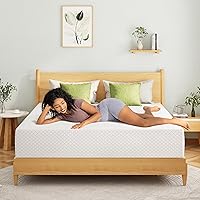
Types of Queen Mattresses Compared
Comparing different types of queen mattresses starts with build and feel: hybrid queens pair coils with foam for a medium feel, all-foam queens are quieter and softer, and pocket-coil queens support more movement. All are 60 x 80 inches, so the type you choose changes comfort and cooling, not the fit.
On this page (8 sections)
- How do you compare different types of queen mattresses by build?
- What does the queen size actually change compared with other sizes?
- Which type of queen mattress works best for each sleep position?
- How do hybrid queens compare with all-foam queens?
- Which queen mattress type suits couples and guest rooms?
- How thick should a queen mattress be for each type?
- How should you match a queen mattress type to your base?
- Which queen mattress type should you pick?
Comparing different types of queen mattresses starts with build and feel: hybrid queens pair coils with foam for a medium feel, all-foam queens are quieter and softer, and pocket-coil queens support more movement. All are 60 x 80 inches, so the type you choose changes comfort and cooling, not the fit.
The queen is the most common mattress size for couples and guest rooms. That makes the type decision more about how you sleep than about how much floor space you have.
If your room or frame is tight, check whether a full vs queen mattress comparison changes your size choice before you settle on a build. The type you pick inside that 60 x 80 inch footprint still decides the feel.
Our three queen examples are hybrids at different thicknesses and feels. They show how much the build and the comfort layer change your experience at the same width and length.
Two use a continuous Bonnell coil core and one uses pocketed coils, so the coil type itself is part of the comparison.
How do you compare different types of queen mattresses by build?
Start by comparing the support core and the comfort layer, because those two parts set the feel. A hybrid queen puts a foam comfort layer over a coil base, so it contours and stays springy.
An all-foam queen skips the coils and relies on dense foam for support.
The three builds you'll see most at queen size are:
- All-foam queens: a foam support base with memory foam or latex comfort layers. They isolate motion well and tend to be quieter and softer.
- Innerspring queens: a coil support core under thinner padding. They feel bouncier and firmer with less contour.
- Hybrid queens: a coil base plus foam or gel comfort layers. They combine the contour of foam with the airflow and springback of coils.
The Linenspa queens here both use a Bonnell coil base under memory foam. That gives them a responsive, supportive feel while the foam adds pressure relief at the hips and shoulders.
The Classic Brands Decker pairs gel memory foam with individually wrapped pocket coils for a firmer result.
Build also decides what base you need. A hybrid queen like these works on a box spring, slatted base or solid foundation.
All-foam queens often prefer a flat, firm base for consistent support. The Linenspa models list all three base types as compatible, and all three queens here are sold as fiberglass free with CertiPUR-US certified foam.
Pick the build that matches your sleep position first, then compare thickness and price tier within it. Feel is much harder to change after delivery than the exact model you choose.
What does the queen size actually change compared with other sizes?
The queen's 60 x 80 inches gives two adults 30 inches of width each. The type you choose does not change those dimensions, but the size does change how much room you and your partner have to spread out.
A standard queen gives each sleeper roughly 30 inches of width. That's fine for many couples, but a king adds 16 inches of width, so each person gets more personal space.
Width matters more than length for most couples. A queen's 80-inch length matches a king's, so tall sleepers don't lose legroom by choosing the smaller size.
The comparison changes when you look at alternatives. Read our queen vs king mattress breakdown to see how much extra width costs in floor space and foundation size.
Factor in that the larger frame and heavier mattress will need more room to move and more help on delivery day.
Remember that queen and short queen are not the same. A short queen is 60 x 74 inches, so confirm your frame's inner opening before ordering any type.
A 12-inch hybrid queen weighs around 83 pounds and a 10.5-inch one around 82 pounds, so plan the route upstairs while you're checking dimensions.
Which type of queen mattress works best for each sleep position?
Sleep position narrows the type quickly. Back and stomach sleepers usually do best on a medium-firm hybrid or a firm innerspring, while side sleepers often prefer a softer all-foam or medium-plush queen.
The type's comfort layer decides how much your shoulders and hips sink in.
The hybrid design here earns its place for back and stomach sleepers. Its coil base keeps the spine aligned, and the memory foam top adds contour without letting you sink too far.
The medium version is listed as ideal for back and stomach sleepers in youth rooms, guest beds, bunk beds and trundle beds.
Side sleepers may want more cushioning at the shoulder and hip. An all-foam queen or a medium-plush hybrid is usually the softer route, since a firm coil layer can press into the shoulder.
The 12-inch Linenspa's medium plush feel targets side sleepers and anyone who wants a softer, more enveloping feel.
Combination sleepers who switch positions during the night tend to do well on a medium hybrid. It responds quickly when you move and doesn't trap you in one spot.
Pick medium or medium-firm for back and stomach sleepers, and medium-plush or soft for side sleepers. Then match the type to how much bounce and airflow you want.
When two sleepers share a queen and want opposite feels, choose medium as the compromise rather than picking one person's preference.
If you're set on a queen for a couple and the size feels cramped, our queen mattress roundup compares options in this footprint.
Medium hybrid queens for most sleepers
A medium hybrid queen is the safest starting point for mixed households. It supports the lower back without feeling hard, and the coil base keeps air moving better than solid foam.
The medium feel comes from combining multiple support and comfort layers rather than one slab of foam.
The Linenspa 10 Inch uses a Bonnell coil base with memory foam on top, so it feels responsive but not stiff. Its queen measures 80 x 60 x 10 inches.
Linenspa backs it with a 10-year limited warranty, and it works on a flat foundation without a box spring. The cover is polyester and the mattress arrives compressed and rolled, so allow 24 to 72 hours for full expansion.
Softer hybrid queens for side sleepers
If you want a softer, more enveloping feel at queen size, a medium-plush hybrid is the natural fit. The foam layer cushions the shoulder and hip while the coils still keep the base supportive.
The Linenspa 12 Inch adds extra thickness to the hybrid build. That extra height often means a deeper comfort layer, which softens the landing for side sleepers while the coils stay in place.
It uses comfort foam and memory foam over continuous coils, with a polyester cover and the same 10-year limited warranty. The queen measures 80 x 60 x 12 inches and weighs around 83 pounds.
Firm hybrid queens for heavier sleepers and stomach sleepers
A firm hybrid queen suits heavier sleepers and stomach sleepers who need less sink and more pushback. The foam layer still conforms, but the firm feel keeps the hips from dropping too far.
The Classic Brands Decker pairs gel memory foam with individually wrapped pocket coils. The foam layer is designed to move heat away from the body, and the firm feel holds alignment for sleepers who don't want to sink in.
The queen measures 80 x 60 x 10.5 inches and weighs around 82 pounds. Its quilted knit cover has a corded edge and coordinating knit sides for breathability.
Because the coils sit in separate pockets, they move independently and reduce motion transfer.
How do hybrid queens compare with all-foam queens?
A hybrid queen is the better pick for most buyers because it balances contour with airflow. The coil base lets air move through the mattress, and the foam top relieves pressure.
An all-foam queen is quieter and often softer, but it holds more heat and can feel less springy.
The coils matter for temperature. Innerspring coils create open space inside the mattress, and air moves through that space more freely than through a solid foam block.
Memory foam on top still warms up, but the base doesn't trap heat the same way. A gel memory foam layer, as on the Decker, is designed to pull heat away from the body on top of that.
Motion isolation goes the other way. A dense all-foam queen absorbs movement well, while a hybrid with shared continuous coils can transfer some of it.
Individually wrapped pocket coils, like the Decker's, move independently and reduce that transfer.
Durability and base needs differ too. Hybrids often use a coil core for long-term support and work on a slatted or platform base.
All-foam queens generally want a firm, flat foundation to avoid sagging.
Pick a hybrid if you sleep warm or want a responsive feel, and all-foam if quiet and soft matter more than airflow. Both come in the same queen footprint, so the choice is about comfort.
Which queen mattress type suits couples and guest rooms?
A hybrid queen is usually the best fit for couples and guest rooms because it handles mixed sleep positions and stays supportive. Medium hybrids serve the widest range of sleepers, so a guest room doesn't need a custom feel for each visitor.
A medium hybrid also keeps its shape better than an all-foam model when different guests of different weights use it in turn.
Couples often weigh two things: motion transfer and edge support. A hybrid with individually wrapped coils isolates movement better than one with continuous coils.
The Linenspa queens use continuous coils, which suit light sleepers less well than the Decker's pocket coils. Shared continuous coils still give a springy, even support, but a restless partner's movement travels further.
Guest rooms do well with a medium hybrid because visitors come in all sizes and positions. A medium feel rarely feels wrong to anyone, while a firm or plush mattress can feel off to a guest used to the opposite.
The medium Linenspa's medium-firm feel is listed for guest beds for exactly this reason.
For bunk beds, trundle beds and youth rooms, a lower-profile hybrid like the Linenspa 10 Inch fits better. It's 10 inches thick, so it stays closer to the rails and suits a compact room.
A 12-inch mattress may sit too high in a bunk and crowd the top bunk's clearance.
Choose a medium hybrid for a shared bed or a guest room, and check the coil type if you're a light sleeper. Pocket coils cost more but transfer less movement.
How thick should a queen mattress be for each type?
Thickness changes what the type feels like in practice. A 10 to 12 inch queen hybrid covers most adults, while thinner all-foam queens suit lighter sleepers and kids.
Thickness affects comfort depth more than support quality.
A thicker mattress only helps if the extra height goes into the comfort layer, not into more base foam.
Here's how the three examples line up at queen size:
| Model | Thickness | Build | Feel |
|---|---|---|---|
| Linenspa 12 Inch Hybrid Queen | 12 in | Bonnell coils with memory foam | Medium plush |
| Linenspa 10 Inch Hybrid Queen | 10 in | Bonnell coils with memory foam | Medium |
| Classic Brands Decker 10 Inch Firm Hybrid Queen | 10.5 in | Pocket coils with gel memory foam | Firm |
A 12-inch hybrid gives the comfort layer more room to cushion the body. That helps side sleepers and anyone who wants a softer landing without losing support.
It also adds weight, which is why the 12-inch queen lands around 83 pounds.
A 10-inch hybrid keeps the profile lower, which matters for bunk beds, trundle beds and rooms where a thick mattress crowds the headboard. It also weighs less, so setup is easier.
The Decker sits at 10.5 inches with a quilted knit cover and corded edge. Its firm feel and pocket coils make it the most supportive of the three for stomach sleepers and heavier bodies.
Its layer stack shows where the height goes: a 1-inch open-cell memory foam top, then 1 inch and 2 inches of comfort foam over 6 inches of individually wrapped coils.
Pick 12 inches for a deeper comfort layer and 10 inches for a lower, easier-to-handle profile. Both fit a standard queen frame, so the height only affects feel and handling.
How should you match a queen mattress type to your base?
Match the type to your base before you order. Most hybrid queens work on a box spring, slatted base or solid foundation, while all-foam queens usually want a firm, flat platform.
The wrong base can make any type feel softer or less stable.
All three queens here list a flat foundation, slatted base or adjustable base as compatible, and none need a box spring.
Check slat spacing first. Slats set too far apart let a mattress dip between them, and hybrids with soft foam tops are more likely to show it.
A close-spaced slat base or a solid platform keeps the support even. Wide-spaced slats also put more strain on the coil base over time.
A box spring adds height and a little bounce. It suits a hybrid queen but can make an all-foam queen feel too soft on top of its own foam base.
If you add one under the Linenspa 10 Inch, the extra height may push it out of the ideal range for a bunk rail.
Platform beds and adjustable bases are flat and firm, so they suit all three types here. The Linenspa and Decker hybrids both work on a flat foundation without a box spring.
A slatted base needs slats close enough together to stop the mattress from sagging between them.
Pick a close-spaced slat base or solid platform for most queens, and skip the box spring unless you need extra height. Measure your frame's inner opening so the 60 x 80 inch queen sits snug.
Which queen mattress type should you pick?
Pick a medium hybrid queen for most buyers: it handles back and stomach sleepers, works in guest rooms and bunk beds, and balances contour with airflow. Move to medium plush for side sleepers and a firm pocket-coil hybrid for stomach sleepers or heavier bodies.
When you compare different types of queen mattresses, the size stays the same and the build does the work. Check your frame's inner opening, confirm the base type, and match the feel to how you sleep.
The medium hybrid's 10-year limited warranty and fiberglass free construction also make it the easiest type to recommend for a first mattress purchase.
If a standard queen still feels small for two adults, size up instead of switching types. Our king size mattress roundup shows what the extra width buys you.
Before ordering, measure the room and the delivery route once. A queen mattress is bulky and heavy, and a clear path saves a frustrating setup day.
The two Linenspa queens and the Decker all arrive compressed and rolled in a box, so the delivery box is smaller than the expanded mattress and easier to carry through a doorway.
Frequently asked questions
Is a queen mattress big enough for two adults?
A queen gives two average adults 30 inches of width each, which works for most couples but leaves less personal space than a king. If either sleeper moves a lot or you want clear separation between sides, a king size mattress adds 16 inches of width.
Do all queen mattresses fit the same bed frame?
No. A standard queen is 60 x 80 inches and fits a standard queen frame, but a queen RV or short queen runs 60 x 74 inches and needs its own foundation.
Measure your frame's inner opening before you buy.
What is the difference between a hybrid and an innerspring queen?
A hybrid queen puts foam comfort layers over a coil support core, so it feels contouring and springy at once. A traditional innerspring queen relies on coils under thinner padding and feels firmer and bouncier with less body contour.
How much does a queen mattress weigh?
Weight depends on size, materials and thickness. A 12-inch hybrid queen can weigh around 83 lb, while a 10.5-inch hybrid queen can weigh around 82 lb.
Plan help for delivery and setup if your bedroom is upstairs.
Do I need a box spring under a queen hybrid mattress?
Most hybrid queens are built for a flat foundation, slatted frame or platform bed and don't need a box spring. Check the maker's base recommendations for your model, and keep slat spacing close enough to stop the mattress sagging between slats.
What should I check first when comparing queen mattress types?
Check the size and feel first: confirm 60 x 80 inches fits your frame and room, then choose medium for back and stomach sleepers or plush for side sleepers. Build, thickness and base compatibility matter next.