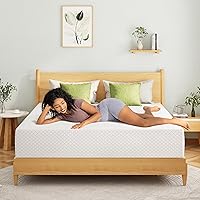
Which Mattress Is Good for Back Pain?
For most people with back pain, a medium-firm mattress with even support works best. Back sleepers do well on medium-firm foam, while side sleepers need more cushioning at the shoulder and hip, and stomach sleepers need a firmer surface. Position and body weight decide more than brand.
On this page (10 sections)
- Which mattress firmness helps back pain most?
- Which mattress type supports the lower back?
- Which mattress is good for back pain if you sleep on your back?
- Which mattress helps side sleepers with back pain?
- Which mattress works for stomach sleepers and heavier bodies?
- How should you test a mattress for back comfort?
- Which base and setup protect your back?
- When is the best time to buy a mattress for back pain?
- How we researched these back-pain mattress picks
- Which mattress should you pick for back pain?
Which mattress is good for back pain? For most sleepers, a medium-firm mattress with steady support and a little cushioning gives the best shot at comfortable nights.
The right pick depends on how you sleep and how much you weigh, not on the softest or firmest label you can find. Back sleepers usually want a flatter, more supportive surface, while side sleepers need give at the shoulder and hip.
Stomach sleepers need firmness that keeps the midsection from sagging. This guide walks through each case and names a mattress for it.
Which mattress firmness helps back pain most?
Medium-firm is the safest starting point for most people with back pain. It holds the spine close to neutral without pressing hard into the hips and shoulders.
True firm suits some sleepers, but it is not automatically better. Firmness is a personal fit, and the same mattress can feel different to two people.
Body weight changes how far you sink into the comfort layer. A 130 lb sleeper may find a medium-firm foam mattress plenty supportive, while a 230 lb sleeper may sink through the top layer and feel the support core.
Sleeping position matters just as much. Back sleepers do best when the mattress fills the lower-back curve without pushing the hips up.
Side sleepers need the shoulder and hip to sink in enough that the spine stays level. Stomach sleepers need a surface that keeps the belly from dropping.
Here is a simple starting table. Use it to narrow the feel you want, then try the mattress in person or use the trial period to confirm.
| Sleeping position | Starting firmness | What to watch for |
|---|---|---|
| Back | Medium to medium-firm | Lower back should feel supported, not arched |
| Side | Medium | Shoulder and hip sink without the spine twisting |
| Stomach | Firm to extra firm | Hips should not sag below the shoulders |
| Combination | Medium | The feel should work in each position you use |
How body weight changes the firmness you feel
Heavier sleepers press deeper into foam, so a mattress that feels medium-firm to a 140 lb person can feel soft to someone at 220 lb. If you weigh more, lean toward the firmer end of your position's range.
Lighter sleepers often feel a mattress as firmer than its label suggests and may want more cushioning. The makers of the three mattresses here describe the same split in their own words.
SLEEP100 says a sleeper under 130 lb may find its firm model firmer than expected, while someone over 230 lb gets more contouring. UniPon lists its mattress as firm and offers extra firm in its size lineup, and MLILY labels its foam model medium firm.
Read those labels against your own weight, not in isolation.
Which mattress type supports the lower back?
Innerspring hybrids and dense memory foam both support the lower back, but they do it differently. A hybrid uses pocketed coils for pushback and a foam top for cushioning, while all-foam models rely on foam layers to spread weight.
The better choice depends on how much contour you want and how warm you sleep. Hybrids tend to sleep cooler because air moves through the coil layer.
They also feel more responsive, which helps when you change position at night. Foam mattresses contour more closely and isolate motion better, but dense foam can hold heat.
For back pain, the key is that the support layer does not let the hips sink past the rest of the body. A hybrid with extra lumbar support addresses that directly, and a medium-firm memory foam mattress does the same with a denser base foam under the comfort layer.
Latex is another option. It feels springier than memory foam and holds its shape well, but it costs more.
For most buyers comparing foam and hybrid, the decision comes down to temperature and how much you like the slow sink of memory foam.
Foam or hybrid for a bad back?
All three mattresses in this guide are 12-inch queens, so the height is not the deciding factor. The real split is inside.
EGOHOME is all foam with a gel memory foam comfort layer over high-density support foam. SLEEP100 and UniPon are hybrids with pocketed coils under gel memory foam or comfort foam.
Choose foam if you want deep contour, quiet motion and a mattress that cradles the lower back. Foam also isolates movement well, which matters if a partner shifts at night.
Choose a hybrid if you run warm or change position often and want the springier feel of coils underfoot. Both types can support the lower back when the firmness matches your position.
Which mattress is good for back pain if you sleep on your back?
Back sleepers should choose medium-firm support that fills the lower-back curve without pushing the hips up. A surface that is too soft lets the pelvis drop and arches the lower back, and too firm a surface may feel pressed rather than supported.
The EGOHOME 12 Inch Memory Foam Queen is a medium-firm foam mattress aimed at this problem. Its gel memory foam comfort layer sits over high-density support foam, and the maker says the design is built for back pain relief.
MLILY also says the mattress carries CertiPUR-US certification and an endorsement from the International Chiropractors Association.
The graphene cover is deodorizing and antistatic, and MLILY says the far infrared fabric promotes blood circulation. The cover is nylon-feel and the mattress ships compressed in a box.
Note that MLILY does not offer a trial period and does not accept returns on opened mattresses, so confirm the feel before you commit. The build also targets heat and odor, and MLILY says the gel memory foam is meant to regulate moisture and odor.
The inner cover uses a fiberglass-free flame retardant layer. That matters for anyone who has reacted to fiberglass in cheap foam beds.
The mattress weighs about 68 lb and measures 60 by 80 by 12 inches.
Pick this one if you sleep mostly on your back and want a foam surface that cradles the lower back. If you run hot or change position often, a hybrid may suit you better.
Our guide to which mattress should I buy walks through the wider decision.
How much does a mattress for back pain cost?
Prices vary by size, materials and brand, but the three mattresses here sit in the mid-range. A hybrid with pocketed coils usually costs more than a basic foam model because of the coil unit.
Budget shoppers can still find firm foam queens without paying premium prices. Set a cap before you shop, then compare specs within that range.
Which mattress helps side sleepers with back pain?
Side sleepers with back pain need cushioning at the shoulder and hip so the spine stays straight. A medium feel usually works better than firm, because a hard surface can press the shoulder up and twist the lower back, while too soft a surface lets the hips drop.
The SLEEP100 12 Inch Firm Queen is a hybrid with a cooling fabric cover and a 5-zone design. It adds extra lumbar and shoulder support, which targets the two spots that bother side sleepers most, and the maker offers a 365-night home trial and a lifetime warranty.
The pocketed coil core gives it a responsive feel, and the gel memory foam layer adds contour on top. SLEEP100 says the mattress is fiberglass free and odor free, and the cooling fabric is meant to reduce heat buildup.
The mattress weighs about 70 lb and ships in a box. Side handles make it easier to rotate the mattress on the frame.
The maker describes the firmness as balanced and notes that feel varies by weight. Sleepers under 130 lb may find it firmer than expected, while those over 230 lb get more contouring, and that matters for side sleepers who need the shoulder and hip to sink in a little.
Pick it if you are an average-weight side sleeper who wants a firm hybrid with targeted lumbar support and a long trial. If you weigh under 130 lb and need a softer surface, look for a medium feel instead.
Which mattress works for stomach sleepers and heavier bodies?
Stomach sleepers and heavier sleepers usually need a firmer surface so the hips do not sag. A soft mattress lets the midsection sink and arches the lower back, while a firm hybrid with strong coil support keeps the body closer to a straight line.
The UniPon 12 Inch Firm Hybrid Queen is built around that idea. It combines independent pocket springs with multiple foam layers and extra lumbar foam to prevent sinking at the hip and lower back, and the maker says the design promotes spinal alignment and pressure relief.
The egg crate foam layer and coil system are meant to improve airflow, and UniPon says the mattress wicks sweat and stays cool. The mattress is CertiPUR-US and OEKO-TEX certified, and the maker offers a 365-night trial.
It weighs about 78.5 lb. UniPon notes a faint cotton-like scent after unboxing that should fade within 24 to 48 hours with ventilation.
The mattress is available in 10, 12 and 14-inch thicknesses, and this queen is 12 inches thick. UniPon says it suits people who sit for long periods and those with mild lumbar discomfort.
The pocket springs also isolate motion, so a partner's tossing should not ripple across the surface.
Pick it if you sleep on your stomach or weigh more than about 230 lb and need a firm surface that resists sagging. Lighter side sleepers may find it too hard at the shoulder.
How should you test a mattress for back comfort?
Test the mattress in the position you sleep in most, and give it a few weeks before judging. A short showroom lie-down tells you about pressure, not about how your back feels after a full night, and at home your body needs time to adjust to a new surface.
If you try a mattress in a store, lie in your usual position for at least 10 minutes. Pay attention to whether your lower back feels supported and whether your shoulder or hip presses into the surface.
A mattress that feels comfortable for two minutes may feel different after an hour. At home, keep your old mattress for the first week if you can, and use the trial period to judge nights, not minutes.
Foam expands over the first day or two after unboxing, so give it time to reach full height before you decide. A compressed mattress needs to recover before it can show its real firmness.
Signs a mattress is wrong for your back include waking with stiffness that fades during the day, or pain that gets worse the longer you sleep. If that continues past the trial period, return the mattress rather than adding a topper to fix a support problem.
The trial terms differ across these three picks. SLEEP100 and UniPon both offer a 365-night trial, while MLILY does not offer a trial period and does not accept returns on opened mattresses.
That gap matters more than the feel difference if you are unsure, so weigh the return policy as part of the purchase.
How long should you wait before judging a new mattress?
Plan on two to four weeks of normal sleep before you make up your mind. The first night or two can feel odd while your body adjusts to a new surface.
Judge by the trend across a couple of weeks, not by one rough morning. If pain gets worse instead of better, stop waiting and use the return window.
Which base and setup protect your back?
A flat, solid base protects the support layers and keeps the mattress from sagging. Most foam and hybrid mattresses want a firm foundation, and the wrong base can change how the mattress feels.
A box spring adds bounce and can soften a mattress that is meant to sit on a solid platform. For foam and hybrid models, a slatted frame with close-spaced slats or a solid platform usually works better.
Read whether does a mattress need a box spring before you pair a new mattress with an old base. Also check the frame size and the mattress dimensions.
A queen mattress measures 60 by 80 inches, and all three picks here are 12 inches thick. A frame that is too small or too large can leave gaps that affect support.
The hybrid models weigh more than the foam one, so check your frame's weight rating as well as its size. Certifications matter too.
CertiPUR-US means the foam meets limits on certain chemicals, and the EGOHOME and UniPon mattresses carry it. Our explainer on what a CertiPUR-US mattress certification means covers what it does and does not guarantee.
When is the best time to buy a mattress for back pain?
Buy when you have time to use the trial period, not just when a sale appears. A mattress for back pain is a fit decision first, and timing helps only after you have narrowed the feel and type you want.
Sales and clearance events can lower the price, but the mattress still has to match your position and weight. A bargain on a soft mattress will not help a stomach sleeper.
Decide on firmness and type first, then watch for a lower price on that model. Our guide to the time to buy a mattress covers seasonal sales and when retailers tend to discount.
If you need a mattress now and cannot wait, buy from a seller with a return window so you can test it at home.
How we researched these back-pain mattress picks
We compared the specs and features of each mattress against what back-pain shoppers need: firmness, support layers, position fit and certifications. We did not sleep on these mattresses.
Our score weighs specs, features and buyer feedback against what you are shopping for. The EGOHOME scores 7.7 for its medium-firm foam build and back-focused design, and the SLEEP100 scores 7.6 for its firm hybrid feel and 5-zone support.
The UniPon scores 7.5 for its firm hybrid build and extra lumbar foam. The differences are small, and the right pick depends on your sleeping position.
None of these mattresses treats a medical condition. If your back pain is ongoing or severe, talk to a doctor before you buy, because a mattress can support better alignment but it is not a substitute for care.
Which mattress should you pick for back pain?
Pick the EGOHOME 12 Inch Memory Foam Queen if you sleep on your back and want medium-firm foam with contour. Pick the SLEEP100 12 Inch Firm Queen if you are an average-weight side sleeper who wants a firm hybrid with extra shoulder and lumbar support.
Pick the UniPon 12 Inch Firm Hybrid Queen if you sleep on your stomach or weigh more and need firm pushback at the hips. If you are not sure, start with the medium-firm foam model and use the trial or return window to test it.
Back pain is personal, and the mattress that helps is the one that keeps your spine close to straight in the position you sleep in most.
Frequently asked questions
Is firm always better for back pain?
No. Very firm surfaces can press into the hips and shoulders and push the spine out of line.
Medium-firm is the safer starting point for most sleepers, and true firm suits stomach sleepers and heavier bodies that sink too far into softer foam.
Should side sleepers with back pain choose soft or medium-firm?
Side sleepers usually need enough cushioning at the shoulder and hip so the spine stays straight, which points to medium or medium-firm. A surface that is too soft lets the hips drop and twists the lower back, so look for pressure relief without deep sinking.
Do I need a box spring under a foam mattress for back support?
Usually not. Most foam and hybrid mattresses want a flat, solid base, and a box spring adds bounce that can soften the feel.
Read whether a mattress needs a box spring or foundation before you set it up.
Does mattress thickness matter for back support?
Thickness matters less than the layers inside, but a 12-inch mattress usually gives enough comfort foam over a support core for average-weight adults. Very thin mattresses can bottom out under heavier sleepers, while very thick soft ones may let the hips sink.
When should I see a doctor about back pain and my mattress?
See a doctor if pain persists for weeks, wakes you at night, or comes with numbness, weakness or tingling in your legs. A mattress can support better alignment, but it does not treat an injury or a medical condition.