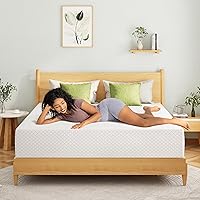
What Kind of Mattress for Adjustable Base?
The best mattress for an adjustable base is a flexible memory foam or hybrid bed, not a stiff innerspring or a thick latex slab. Look for a thickness within your base's limit and a design that bends at the head and foot without creasing.
On this page (9 sections)
- What kind of mattress for an adjustable base works best?
- How thick should the mattress be for an adjustable base?
- Is memory foam the best mattress type for an adjustable base?
- When is a hybrid or innerspring the right call?
- Which mattress thickness suits each base type?
- Do you need a box spring on an adjustable base?
- How do you set up a mattress on an adjustable base?
- What should you check before buying?
- The bottom line on what kind of mattress for adjustable base setups
The best mattress for an adjustable base is a flexible memory foam or hybrid bed, not a stiff innerspring or a thick latex slab. It needs to bend at the head and foot without creasing, and it needs to stay within your base's thickness limit.
Thickness and flexibility matter more than brand. A bed that's too thick can jam the mechanism, and one that's too stiff will bridge the fold instead of following it.
This guide shows how to pick what kind of mattress for adjustable base setups, using three beds as examples.
What kind of mattress for an adjustable base works best?
The answer is foam or a hybrid with pocketed coils, because both flex along their whole length. A mattress that bends easily lets the base's head and foot sections move without fighting the hinge.
Memory foam is the simplest fit. Its core is soft and continuous, so it follows the hinge with little strain.
A hybrid can work when its coils sit in individual pockets, since the coil unit can articulate instead of acting as one rigid slab.
Stiff innersprings are the risk. A traditional bonnell or continuous-coil unit resists the bend and may crease at the hinge line.
Thick latex is also firmer and heavier, so it can lift off the base at the fold.
Check three things before you buy:
- Thickness against your base's limit. Many bases accept 8 to 12 inches; some allow up to 14.
- Flex at the hinge. A bed that bends by hand at the head and foot will follow the base.
- Weight. Foam beds are lighter to lift when you reposition them on the base.
The base's motor has to lift the mattress every time you raise the head. A lighter, flexible bed puts less strain on it than a heavy coil or latex slab.
That's the practical reason foam tends to be the safer pick.
How thick should the mattress be for an adjustable base?
Stay within your base's stated maximum, and aim for 8 to 12 inches on most bases. Thickness is the first limit to check, because an overly thick bed can bind the hinge or slide as the base moves.
Thin profiles bend easily. An 8-inch memory foam bed flexes along the hinge without much resistance, which is why it's a common starting point for adjustable setups.
A 6-inch profile is even more flexible, though it leaves less cushioning over the base's hard surface.
Thick beds are the risk. A 14-inch mattress still bends, but its extra bulk and weight put more load on the motor and can make the fold tighter.
Check the base's manual for its stated thickness range before you order.
The Modway Aveline has 2 inches of gel-infused memory foam over 6 inches of dense polyurethane foam. Its stretch knit cover is removable, and Modway says the foam is CertiPUR-US certified and fiberglass free.
That certification matters when the foam will flex and compress every day; our CertiPUR-US mattress guide explains what it covers.
A base's slats should be less than 3 inches apart, and Modway notes that a box spring or foundation is optional on a standard frame. On an adjustable base you skip the foundation entirely.
Pick 8 to 12 inches for most adjustable bases, and go thinner only if your base's limit is low. Go thicker only if your base allows it and you want more cushioning.
Is memory foam the best mattress type for an adjustable base?
Yes, memory foam is the easiest type to live with on an adjustable base, because the whole core flexes and it hugs the hinge with little strain. It also tends to be lighter than coil or latex beds, so the motor has less to lift.
Foam's weakness is heat and support. Gel-infused and open-cell foams address the heat side, and zoned or dense base foams address the support side.
Both matter when the head section is raised, because your hips and shoulders shift onto different parts of the bed.
The Zinus Green Tea is a medium firm foam bed with zoned pressure relief. Zinus says the foam is CertiPUR-US certified and fiberglass free, and the cover meets OEKO-TEX Standard 100.
The green tea extract and charcoal are there to keep the foam fresher, and Zinus notes any off-gassing smell usually fades within 24 to 48 hours.
At 6 inches it's thin, so it suits a base with a low thickness limit or a guest room. A thinner bed flexes more easily than a thick one, but it also gives less cushioning over the base's surface.
Pick it if your base caps thickness and you want a firm feel.
Zinus lists the Queen's weight capacity at up to 500 pounds for Full, Queen, King and Cal King sizes. That limit is about the sleeper load, not the base, so still check your base's own motor rating when the bed sits on a powered deck.
Choose foam when flexibility and light weight matter most, and check the firmness against how you sleep. Back and stomach sleepers usually do better on a medium firm foam than a plush one, especially with the head raised.
What does a certified cover add when the foam flexes?
A cover that meets OEKO-TEX Standard 100 has been tested for harmful substances, and Zinus says its cover clears over 100 of them, including pesticides and allergens. That matters more on an adjustable base than on a flat frame, because the cover stretches and compresses at the fold with every position change.
A certified stretch cover is less likely to trap moisture against the foam as the head section rises. The Modway Aveline's stretch knit cover is removable for the same reason: you can wash or air it without disturbing the foam core underneath.
Treat the cover as part of the bend, and pick a certified, removable one where the maker offers it. It's the layer that takes the most daily strain at the hinge.
When is a hybrid or innerspring the right call?
A hybrid with pocketed coils works when you want spring support and the base allows the thickness. It flexes because each coil sits in its own pocket, so the unit articulates instead of resisting the hinge.
The catch is weight and thickness. A hybrid is heavier than an all-foam bed and often thicker, so check the base's limit first.
A traditional innerspring with linked coils is the wrong pick, because the connected coil unit fights the bend and can crease at the fold.
Thick latex is also a harder fit. It's dense and firm, so it may bridge the hinge rather than follow it.
If you already own a latex bed, test how it bends by hand at the head and foot before putting it on a powered base.
| Mattress type | Flexes at the hinge | Watch for |
|---|---|---|
| Memory foam | Easily | Heat buildup, thin profiles give less cushioning |
| Hybrid with pocketed coils | Yes | Weight and thickness limits |
| Traditional innerspring | Poorly | Creasing at the fold |
| Thick latex | Stiffly | Bridging the hinge |
Pick a hybrid if you want bounce and spring support, and confirm the base's thickness range first. Skip linked-coil innersprings and heavy latex unless the maker confirms the bed is built for adjustable bases.
Which mattress thickness suits each base type?
Match the mattress to the base's rated limit, not to a general rule. Bases vary, so the limit printed for your model is the number that matters.
Flat bases with a single hinge at the head and foot accept most foam beds in the 8 to 12 inch range. Bases that also raise the foot section put more bend into the mattress, so a flexible core matters more there.
Bases with a high weight capacity can carry a heavier hybrid, but the thickness limit still applies.
The Sweetnight CoolNest is a 14-inch gel-infused memory foam bed with a five-zone support design and a cooling cover. Sweetnight says the foam is CertiPUR-US certified, and the cover uses a 3D-woven fabric with a ventilation pore design that the maker says improves breathability by 35% over standard fabric.
It comes with a 10-year protection plan, and Sweetnight asks you to let it expand fully for 72 hours.
Its 14-inch profile is the top of the range many bases allow, so check your base's maximum before choosing it. At 83.4 lb it's also heavier than the foam beds above, which matters when you lift it into place.
Pick it for a California king base with a generous thickness limit and a hot sleeper who wants a cooler surface.
The five-zone design spreads support from head to toe, and Sweetnight says the mattress is recognized by the American Chiropractic Association. That zoning is the part to weigh against the thickness: a zoned comfort layer keeps its shape as the head section tilts, while a single flat layer can compress unevenly at the fold.
Go thin for low-clearance bases and thicker for roomy ones, and keep the mattress inside the stated limit either way. A bed that's too thick for the base is the most common fit mistake.
Do you need a box spring on an adjustable base?
No. An adjustable base replaces the box spring, so the mattress sits directly on the base's deck.
A box spring would stop the bed from flexing and defeat the head and foot movement.
The base's deck supports the mattress and moves with it. Adding a foundation on top would create a rigid layer between the two, and the mattress would bridge the hinge instead of following it.
For the standard-frame version of this question, see does a mattress need a box spring.
A few practical points:
- Set the mattress straight on the base surface with no topper or foundation underneath.
- Keep the base's surface clean and dry, since foam can trap moisture against it.
- Check that the mattress doesn't overhang the base's deck at the head or foot.
Skip the box spring and use the base's own deck, and confirm the base's slat or platform spacing if it's a slatted model. Modway notes slats should be less than 3 inches apart, which keeps foam from sagging between them.
The Zinus Green Tea's durable base foam layer does the same job on a slatted deck, spreading weight so the foam doesn't dip between the slats as the base moves.
How do you set up a mattress on an adjustable base?
Let the mattress expand fully before you move the base, and check the fit once it's in place. Foam beds ship compressed, so the base should stay flat until the bed has reached its full shape.
Most foam beds need about 24 to 72 hours to expand. Our guide to how long a mattress in a box takes to expand covers what affects the timing.
Sweetnight asks for 72 hours, while Modway says its Aveline expands most of the way in 2 to 4 hours and fully within a day.
Raise the base too early and a half-expanded core can crease at the hinge line. Keep the base flat, let the bed finish expanding, then run the head and foot sections through their full range once to check the fold.
After setup:
- Run the base to its highest head position and look for lifting at the fold.
- Lower it flat and check the mattress sits square on the deck.
- Repeat for the foot section if your base has one.
- Reposition the mattress if it slides or overhangs.
The three beds here ship compressed in a single box, so plan the delivery day around getting the box into the room before the base is in its final spot. A queen foam bed like the Modway Aveline is 52 pounds, light enough for one person to slide onto the deck, while the 83.4-pound Sweetnight Cal King is easier to handle with two people.
Keep the base flat until expansion is done, then test the full range before you sleep on it. A quick test now prevents a crease from setting into the foam.
What should you check before buying?
Check the base's thickness limit, the mattress type and the return window, in that order. Those three points decide whether the bed will work on your base at all.
Start with the limit printed for your base. Then match it to a flexible type: memory foam first, a pocketed-coil hybrid second.
Confirm the warranty covers use on an adjustable base, since some makers exclude it. The Modway Aveline carries a one-year warranty against manufacturer defects, and the Sweetnight CoolNest comes with a 10-year protection plan, so the coverage periods differ widely between models and are worth comparing before you order.
Also compare the firmness label to how you sleep. The Aveline is listed as firm, the Zinus as medium firm, and the Sweetnight as medium.
A firm bed with the head raised can feel harder on your lower back, while a medium feel gives more give at the hinge.
Timing can help your budget. Our guide to the best time to buy a mattress explains when sales tend to land.
A lower price is useful, but only after the fit checks pass.
Pick a flexible foam or hybrid within your base's limit, and confirm the warranty covers adjustable use. If you have ongoing back pain or a sleep problem, talk to a doctor about the right support level before you buy.
The bottom line on what kind of mattress for adjustable base setups
Pick a flexible memory foam bed for most adjustable bases, because it bends easily, weighs less and puts less strain on the motor. Choose a pocketed-coil hybrid if you want spring support and your base allows the thickness.
Skip stiff innersprings, thick latex and any mattress above your base's limit. Those are the beds most likely to crease, bridge the hinge or jam the mechanism.
Also skip the box spring, since the base replaces it.
Run the full head and foot range once after the mattress has expanded. If the bed follows the fold without lifting or creasing, you've chosen the right kind of mattress for your adjustable base.
Frequently asked questions
Can you put any mattress on an adjustable base?
No. The mattress needs to flex at the hinge and fit within your base's thickness limit.
A mattress that is too thick can bind the mechanism, and one that is too stiff will bridge the fold instead of following it.
Is memory foam or a hybrid better for an adjustable base?
Memory foam is the simplest choice because the whole core flexes, so it hugs the hinge with little strain. A hybrid works too when its coils are individually pocketed and the bed stays under the base's thickness limit.
Stiff innersprings and thick latex are the riskier picks.
How long should a new mattress sit before you use it on the base?
Let a mattress in a box expand fully before you raise or lower the base. Memory foam typically needs about 24 to 72 hours, and using the base early can crease a half-expanded core.