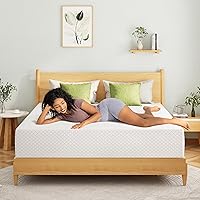
How to Pick the Best Mattress for Your Budget
Pick your budget cap first, then match construction to how you sleep: foam for pressure relief, a hybrid for bounce and airflow, and a taller profile only when it earns the extra cost. Buy the firmness and materials you need in the smallest size that fits your bed, and the budget mattress gets better without spending more.
On this page (9 sections)
- How do you set a mattress budget you can actually keep?
- Which mattress construction gives the most for a tight budget?
- When is a thicker mattress worth the extra money?
- Does the mattress size change the price more than the brand?
- Which mattress should a side sleeper buy on a budget?
- Which budget mattress suits a heavier sleeper?
- What firmness should you target when money limits your options?
- How do you judge a budget mattress beyond the sticker price?
- Which of these three budget mattresses should you pick?
The best way to pick a mattress on a budget is to set your spending cap before you shop, then spend it on construction you need rather than on a thicker profile. Foam, hybrid and premium foam each land at a different price tier, and matching one to your sleep style matters more than the label on the box.
Start with the sleep position and body weight that will use the bed. That choice narrows the material, the firmness and the profile, and it keeps you from paying for layers that add nothing to your nights.
The picks below show how to work that logic with real mattresses. Each one sits at a different point on the budget scale, and each answers a specific need rather than claiming to do everything.
How do you set a mattress budget you can actually keep?
Decide on a total setup cap, not a mattress sticker price. The foundation, the size, delivery and any protector all come out of the same pot of money, and forgetting them is how a budget quietly breaks.
Write down the number you can pay in full without financing. That figure is your ceiling, and every choice after it has to fit inside.
Then split it. Most of the money should go to the mattress itself, because that is the part your body touches every night.
Leave a smaller slice for the foundation and a protector.
Decide whether you need a new foundation at all. A hybrid built for a flat foundation or platform bed skips the box spring entirely, which frees money for the mattress.
The Linenspa works with a box spring, slatted base or solid foundation, so an existing frame you already own can stay in the plan.
Set a firmness target too. Back and stomach sleepers usually want a medium or medium-firm feel, while side sleepers need enough cushion to keep hips and shoulders comfortable.
Our mattress for side sleepers picks show how that plays out.
A budget is a limit, not a punishment. The goal is to spend where it changes your sleep and save where it does not.
Carry the cap into the size decision as well. The same model in a smaller size leaves more room in the pot for a foundation and a protector, so the total stays inside the number you wrote down.
Fix your cap first, and the rest of the decision gets simpler.
Which mattress construction gives the most for a tight budget?
A memory foam mattress is the usual value pick, because foam is cheaper to build than springs and still molds to your body. A hybrid costs a little more and adds coil bounce and airflow.
Foam beds come in several profiles, and each step up buys more comfort and support foam. The 6-inch Best Price Mattress layers memory foam over support foam and a high-density base, and it ships compressed in a box.
The cover is a poly jacquard fabric, and Best Price Mattress says the foam is CertiPUR-US certified.
That construction gives you pressure relief without coils, and the green tea infusion is a feel detail rather than a firmness change. The medium feel suits a wide range of sleepers.
A hybrid spreads the cost across two materials. The Linenspa pairs memory foam with innerspring coils, so you get contouring on top and responsive support underneath.
Its fill is Bonnell coil, comfort foam and memory foam, with a continuous coil type.
The coil base adds bounce that foam alone cannot match, and Linenspa says it needs no box spring. That saves a line item and suits a platform bed or slatted frame.
The cover is polyester, the foam is CertiPUR-US certified and the build is fiberglass free.
At the top of the budget range sits premium foam. The Casper Element uses two foam layers and a breathable open-cell top, which Casper says keeps air moving.
The foam is polyurethane and the cover is a polycotton blend.
Match the build to your priority: foam for pressure relief, hybrid for airflow and bounce, premium foam for a more tuned feel.
When is a thicker mattress worth the extra money?
A thicker mattress earns its price when the extra inches add support or comfort layers you will feel. Height on its own is not a reason to pay more.
A 6-inch bed is a basic foam build. It gives you a usable surface at the lowest cost, and it fits a guest room or a spare bed without strain.
A 10-inch mattress gives the maker room for a real comfort layer over support. That matters for heavier sleepers, who press deeper into foam and need the base below to hold firm.
Our mattress for heavy people guide covers that in more detail.
A 10-inch hybrid splits the height between foam and coils. The coil layer carries weight and the foam layer softens the top, which is a different balance from all-foam at the same height.
Watch the difference between thickness and construction. A 10-inch hybrid and a 10-inch foam bed can land in the same price tier while feeling very different.
The Linenspa and the Casper Element are both 10 inches, yet one puts coils under the foam and the other stacks foam on foam.
Read the layer list rather than the number on the label. Memory foam, support foam and a high-density base on one side, memory foam over coils on the other, tell you more than the profile does.
How much do the inches really change the feel?
On the Best Price Mattress, the 6-inch build means memory foam sits close to the base. The sink is shallow and the surface stays fairly flat, which suits a light sleeper or a guest bed.
On the Linenspa, the 10 inches leave room for a comfort layer above the coil base. The top softens over a responsive core, so the surface gives at the shoulder and pushes back at the hips.
On the Casper Element, the two foam layers split the job: an open-cell comfort layer on top and a base foam beneath. There are no coils, so the whole 10 inches is foam.
Each extra inch is money spent on a layer you can name. When the layer list stops changing, the extra height stops earning its keep.
Spend the extra on layers that support your body weight, and skip the extra inches when you cannot name what they add.
Does the mattress size change the price more than the brand?
Size moves the price more than the badge on the cover in most budget ranges. A queen asks for more material than a twin, and the gap grows as you climb the size chart.
That means the same model can fit two different budgets depending on the size you buy. A couple needs a queen or king for shared space, while a single sleeper can often stay in a full or twin.
The Linenspa, for example, is sold in twin, twin XL, full, short queen, queen, king and Cal king, so the size you pick sets where the mattress lands in your cap.
Our buying guide for couples walks through how to split a shared bed budget. If two sleepers want different firmness, weigh that before you fall for a low price on the wrong size.
Brand matters less at the entry level. Best Price Mattress, Linenspa and Casper all build to their own specs, and the construction list is the honest comparison, not the logo.
The brand name tells you who stands behind the warranty; the layer list tells you what you are sleeping on.
One warning: do not downsize past comfort. A bed that is too short or narrow costs you sleep every night, and no saving makes up for that.
Measure the frame you already own before you buy. A mattress that fits your room but not your frame turns a saving into a new purchase.
Size for your body and room first, then choose the model that fits the leftover budget.
Which mattress should a side sleeper buy on a budget?
A medium-feel mattress with a real comfort layer is the budget pick for side sleepers, because the hip and shoulder need somewhere to sink in. A board-firm foam pad will push back instead.
Side sleepers carry weight on a few points, so pressure relief matters more than bounce. The Best Price Mattress memory foam molds around those points at a low price.
Its medium feel is the middle ground that keeps the shoulder from jamming while the base holds the waist up.
The medium feel is a safe middle. It gives enough give at the shoulder without letting the spine sag at the waist.
The green tea infusion in the foam is there for freshness, not for firmness, so do not read it as a comfort upgrade.
The Casper Element also lands in medium, with a breathable top layer that Casper says keeps air moving. Side sleepers who run warm may prefer that over classic memory foam.
Its motion isolation is a bonus if you share the bed and a partner shifts during the night.
A hybrid is the third route. The Linenspa's coils add response, which some side sleepers prefer to the slow sink of foam.
The medium-firm label puts it closer to the firm end, so try the feel before you commit if your shoulder needs deep cushion.
Pick medium foam for pure pressure relief, or a hybrid when you want the top to push back a little.
Which budget mattress suits a heavier sleeper?
A 10-inch hybrid is the safer budget choice for a heavier sleeper, because the coil base shares the load with the foam. Thin foam alone can bottom out under more weight.
Support is the whole game for heavier sleepers. That means a thick base layer and, often, coils to carry weight without compressing the comfort foam flat.
The Linenspa's construction puts memory foam over an innerspring coil base, so the coils take the load and the foam stays soft on top. The continuous coil type spreads weight across the whole base rather than concentrating it under the hips.
That matches the medium-firm feel back and stomach sleepers often prefer, and it is one of the more affordable hybrids you can buy. The fiberglass-free build is also easier to handle when you move the mattress or fit a protector.
All-foam can work if the base is dense enough. The Best Price Mattress uses a high-density base under its foam, which is what keeps the top from collapsing.
At only 36.4 pounds in the queen, it is also light enough for one person to rotate or move.
The Casper Element leans on premium foams that Casper says resist sinking and sagging. That is a claim to weigh against its price, not a guarantee.
Its base foam is the layer doing that work, so ask what it is made of before you pay the premium.
Pick the hybrid when weight is the main worry, and choose the foam build only when the base is dense.
What firmness should you target when money limits your options?
Target a medium or medium-firm feel unless your body tells you otherwise, because both covers the widest range of sleepers. Budget mattresses rarely offer a firmness menu, so the feel you buy is the feel you keep.
Medium is the safe middle for a mixed household. It gives side sleepers some give and still supports back and stomach sleepers.
The Best Price Mattress and the Casper Element both sit in this band, which makes them the easier default choices.
Medium-firm adds pushback for heavier sleepers and people who dislike sinking into foam. The Linenspa sits here, which is why it suits back and stomach positions and youth rooms or guest beds.
Soft is the hardest to find at a low price without losing support. Skip it unless you have tried a soft bed and know it works for you.
Check the layer order to read the feel. Memory foam on top gives a slower sink, while a breathable open-cell foam gives a cooler, quicker response.
A coil layer under foam adds a springy return that all-foam cannot copy.
Read the cover too. A jacquard or polycotton cover changes how the surface feels under a sheet, though it does not change the firmness underneath.
If you sleep hot, a breathable top matters more than a soft cover.
If you have ongoing back pain, talk to a doctor about your mattress choice before you buy. A mattress can help comfort, but it does not treat a medical problem.
Set the firmness before the price, and the budget choices narrow to ones that actually fit.
How do you judge a budget mattress beyond the sticker price?
Judge a budget mattress by warranty, materials and return terms, because those three decide the real cost over time. A low price with no coverage can cost more in the end.
A 10-year warranty tells you the maker expects the build to hold up through normal use. All three picks here carry one, which puts them on similar footing there.
The Casper adds a 100-night trial and returns to the offer, so the risk sits more with the brand than with you.
Materials tell you how the bed is made. Memory foam, support foam and a high-density base describe a basic foam build, while memory foam over coils describes a hybrid.
The Casper's two foam layers describe a foam build with a breathable top.
Certification is worth noting. CertiPUR-US covers the foam, and a fiberglass-free build is worth asking about if you handle the cover.
All three picks name CertiPUR-US foam, and the Linenspa adds fiberglass free to the list.
Check the trial and return terms before you order. A longer trial lets you live with medium firmness and see how it fits your sleep position.
A mattress that arrives compressed also needs time to expand, so plan for that before you judge the feel.
Read the firmness and construction against your body weight, not just the price. The same bed can be firm enough for one sleeper and too soft for another.
Buy the bed with a long warranty and clear return terms, then let the materials tell you how long to expect it to last.
Which of these three budget mattresses should you pick?
The Linenspa 10 Inch Hybrid is the first pick for most budget shoppers, because the coil base gives real support at a fair price. Its medium-firm feel suits back and stomach sleepers, and the hybrid build carries weight without a box spring.
It is the widest size run of the three, so it fits more rooms and frames.
The Best Price Mattress is the pick when the budget is the tightest. Its 6-inch foam build gives a medium surface and a high-density base, and it costs less than the hybrid.
It is also the lightest, which helps if you move or rotate the bed yourself.
The Casper Element is the pick when you can stretch the cap for a tuned foam feel. The breathable open-cell top and premium foam layers are what the extra money buys.
The 100-night trial and longer coverage make the stretch easier to justify for a warm sleeper or a shared bed.
If you want the widest safety net on price, our roundup of the best cheap mattresses keeps the picks lined up by value.
Lay out your cap, your size and your firmness target, then choose the model that fits all three. That is how to pick the best mattress for your budget without guessing.
Frequently asked questions
Is it worth spending more on a mattress than the cheapest option?
Spend more when the extra money buys a material or feature you actually need, such as coils for airflow or a thicker comfort layer for a heavier sleeper. If a simple foam mattress already fits your sleep style and size, the extra spend adds little to your nights.
Should I buy a smaller mattress to stay within budget?
Only if the smaller size fits your room and your body without crowding you. A firm full bed beats a soft queen you cannot afford, but a bed that is too short or narrow costs you sleep every night, so size down only when the gap is real.
How long should a budget mattress last before replacing it?
Judge a mattress by its warranty and its materials rather than a fixed number of years. A 10-year warranty signals the maker expects the foams or coils to hold up, and a thicker support layer tends to keep its shape longer in daily use.
Does a thicker mattress always cost more and last longer?
Thickness often pushes the price up, but it does not promise a longer life by itself. Check the construction layers instead: a 10-inch hybrid with coils and foam can outlast a basic 6-inch foam bed despite the gap being only one step.
Can I save money by skipping the box spring?
Yes, when the mattress is built for a flat foundation, platform bed or slatted frame. The Linenspa hybrid is designed for any flat foundation and needs no box spring, which trims one line from your total setup cost.