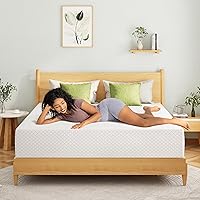
How Long Do Mattresses Last and When to Replace One?
Most mattresses last about 7–10 years, though how long yours lasts depends on its materials, support, care, and nightly use. Replace it sooner if it sags, feels uneven, or regularly leaves you uncomfortable.
On this page (10 sections)
- How long do mattresses last by type?
- What signs mean a mattress needs replacing?
- What shortens mattress life?
- How can you tell if sagging is the mattress or the bed frame?
- Do thickness and material tell you how long a mattress will last?
- What should you check in a mattress warranty?
- Which mattress suits your replacement needs?
- How should you set up and care for a new mattress?
- What common mistakes shorten a mattress's useful life?
- When should you replace a mattress?
Most mattresses last about 7–10 years, though how long do mattresses last in your home depends on construction, nightly use, support underneath, and care. Replace one sooner if it sags, feels uneven, or regularly leaves you uncomfortable.
Age is a useful reminder to inspect your bed, not a deadline. Check how it feels, whether the frame is sound, and what the maker's care and warranty terms cover.
How long do mattresses last by type?
Mattresses often last about 7–10 years, but material gives only a rough guide. Heavy nightly use, poor support, and visible wear can shorten a mattress's useful life.
Foam may soften or develop body impressions over time. Innerspring models can lose support as coils wear, while hybrids combine foam and coils, so both parts need to stay comfortable and supportive.
The mattress type alone can't tell you whether it still fits your needs. Compare the main mattress types and materials if you are weighing a replacement, and consider how each feels for your sleep position.
What signs mean a mattress needs replacing?
Persistent sagging, uneven areas, damaged support, or poor sleep are stronger signs than age alone. Check the surface in daylight and look for changes that remain over several nights.
Look for dips, lumps, torn seams, or edges that collapse when you sit down. If the surface looks level but you wake uncomfortable, consider whether your sleep position or preferred firmness has changed.
A mattress can't diagnose or treat a health problem. Talk with a doctor if you have ongoing pain or sleep trouble.
Can a mattress be too old if it still looks fine?
Yes, a mattress can feel worn before the surface shows clear damage. If you sleep better in another bed or keep waking because the surface feels uneven, those patterns matter even when the cover looks intact.
Compare how your current mattress feels with what you need now. Our guide to choosing a mattress by type, size, and feel can help you set priorities.
What shortens mattress life?
Frequent use, poor support underneath, spills, and skipped care can shorten a mattress's useful life. A mattress used every night usually gets more wear than one in a guest room.
Use a stable base that matches the mattress maker's instructions. Check the frame for loose parts or broken slats, and consider a washable protector to help guard against spills.
Rotating may spread wear on some models, but not every mattress should be flipped or rotated. Follow the care instructions, since turning a one-sided mattress over can put its comfort layers in the wrong position.
Before changing the base, check whether your mattress needs a box spring or foundation. A poor fit underneath can affect how the mattress feels and wears.
How can you tell if sagging is the mattress or the bed frame?
Check the frame and foundation before blaming the mattress. Loose joints, broken slats, or an uneven base can create dips that feel like mattress wear.
If you can safely remove the mattress, inspect the base for bowed or missing slats and loose supports. Correct any frame problem, set the mattress back in place, and check whether the surface feels more even.
If the frame is solid and the same dip remains, the mattress may have lasting wear. A topper can change the surface feel, but it won't repair a sagging support core.
Do thickness and material tell you how long a mattress will last?
Thickness and material describe construction, but neither guarantees lifespan. Foam density, coil design, workmanship, use, and care also matter.
A thicker mattress may have more layers, but that alone doesn't mean it will last longer. Compare the construction and warranty terms, and read the maker's care instructions before buying.
For help matching height to your bed and sheets, see how thick a mattress should be. Choose thickness for fit and comfort rather than using it as a shortcut for durability.
What should you check in a mattress warranty?
Read the warranty's coverage, exclusions, and care requirements before relying on it. A warranty term isn't a promise that the mattress will feel new for that long.
Check what counts as a covered defect, whether the maker sets a limit for visible sagging, and what base or care rules apply. Keep proof of purchase and follow the stated steps if you need to make a claim.
Warranty coverage varies by brand and model. Don't keep an uncomfortable mattress only because it's still under warranty.
Which mattress suits your replacement needs?
Choose by feel, construction, profile, and support needs, rather than age alone. Foam suits shoppers who want contouring and motion absorption; hybrids suit those who prefer foam comfort with coil support.
How long do mattresses last, and which foam option fits?
The Zinus is a 12-inch, medium-firm memory foam mattress with zoned pressure relief. Its foam is CertiPUR-US certified, and Zinus gives the mattress a 10-year limited warranty.
Choose it if you want contouring and less motion transfer. Skip it if you prefer the more responsive feel of coils, and check Zinus's base and care instructions before setup.
The EGOHOME is a 10-inch, medium-firm memory foam mattress infused with green tea gel. Its lower profile may suit a bed where a taller mattress won't fit as well.
Choose it if you want memory foam and its height fits your bed. Skip it if you want a hybrid's coil support or a taller profile; check the warranty and care terms before buying.
Which hybrid mattress could last longer for your needs?
The Linenspa combines memory foam and innerspring coils in a 12-inch design with a medium-firm feel. It suits shoppers who want a more responsive surface than an all-foam mattress offers.
Choose it for a guest room or if you prefer the combination of foam and coils. Skip it if you want an all-foam surface; allow 24–72 hours for full expansion after unboxing.
The Signature Design by Ashley Chime is a 12-inch hybrid with gel memory foam and wrapped coils. Its layers include high-density foam, upholstery-grade support foam, and quilt foam.
Choose it if you want a hybrid with wrapped coils and the listed layer combination. Skip it if you need a profile other than 12 inches; Ashley says to allow 48 hours for expansion and notes that a foundation from another brand may affect warranty coverage.
How should you set up and care for a new mattress?
Give a boxed mattress room to expand, use a compatible base, and follow its care instructions. Keep the area clear before unboxing, since a compressed mattress can be awkward to move once opened.
Expansion time varies by model. Linenspa calls for 24–72 hours, while Ashley says to allow 48 hours; check the instructions for the mattress you choose and let it expand before judging its full shape.
Use a sound, level frame or foundation that matches the maker's requirements. Keep the mattress dry, consider a washable protector, and rotate it only when the care instructions allow it.
What common mistakes shorten a mattress's useful life?
The most avoidable mistakes are using a weak base, ignoring spills, and flipping or rotating without checking instructions. These choices can add uneven wear or damage the comfort layers.
Don't assume a warranty term tells you when to replace the mattress, or that a topper will fix a sagging core. Also avoid choosing by thickness alone; compare the feel and construction with the way you sleep.
When should you replace a mattress?
Replace it when discomfort or visible wear persists after you check the frame and follow care instructions. Use age as a prompt to inspect the mattress, not as the only reason to shop.
If your mattress still feels even and comfortable, keep caring for it and check again later. When you compare how long mattresses last with your own signs of wear, choose foam for contouring or a hybrid for coil support, then use our guide to the best time to buy a mattress to plan your purchase.
Frequently asked questions
How long should a mattress last?
Many mattresses last about 7–10 years, but materials, construction, use, and care affect their useful life. Sagging, uneven areas, or regular discomfort can be reasons to replace one sooner.
Check the warranty for covered defects, but don't treat its term as a promise of how long the mattress will feel comfortable.
Can a mattress last 20 years?
A mattress may remain in use for 20 years, but age alone can't show whether it still offers even, comfortable support. Inspect it for sagging, lumps, damaged seams, and changes in how you sleep.
If discomfort continues or the mattress has visible wear, compare replacement options.
Does rotating a mattress make it last longer?
Rotating a mattress can spread wear if the manufacturer allows it, but it can't restore worn foam or fix a damaged support core. Check the care instructions before turning or flipping it, since some mattresses have a specific top and bottom.
How do I know when to replace a mattress?
Consider replacing a mattress when it has persistent sagging, lumps, damaged support, or wear that affects comfort, or when you regularly sleep better elsewhere. Also consider its age and whether your sleep needs have changed.
If pain or sleep trouble continues, speak with a health professional.